
Introduction
Parents usually notice it during ordinary moments.
Not during some huge academic milestone or dramatic classroom achievement either. More often it happens at home while everybody is half distracted doing normal life stuff.
A child pushes their own chair in after dinner without being reminded. A toddler suddenly wants to carry groceries from the car even though the bag is clearly too heavy. Somebody insists on pouring their own milk and, honestly, it goes about as messily as you would expect the first few times.
Still, something shifts.
Families at Bambini Montessori Academy around Gambrills and Ellicott City talk about this kind of thing a lot once their child settles into the classroom rhythm. The word parents usually use is “independent,” although sometimes that word feels too formal for what is actually happening.
Most of it looks small from the outside.
Just children becoming a little more comfortable trusting themselves.
Young Children Usually Want To Participate More Than Adults Expect
Toddlers especially want to help with everything.
Not pretend-help either. Real helping. They want to carry things, wipe tables, stir ingredients, push buttons, zip jackets. Sometimes at the absolute least convenient moment possible.
Adults step in because it is quicker. Totally understandable honestly. Morning routines alone can make anybody abandon patience by 7:12 a.m.
But Montessori environments slow things down differently.
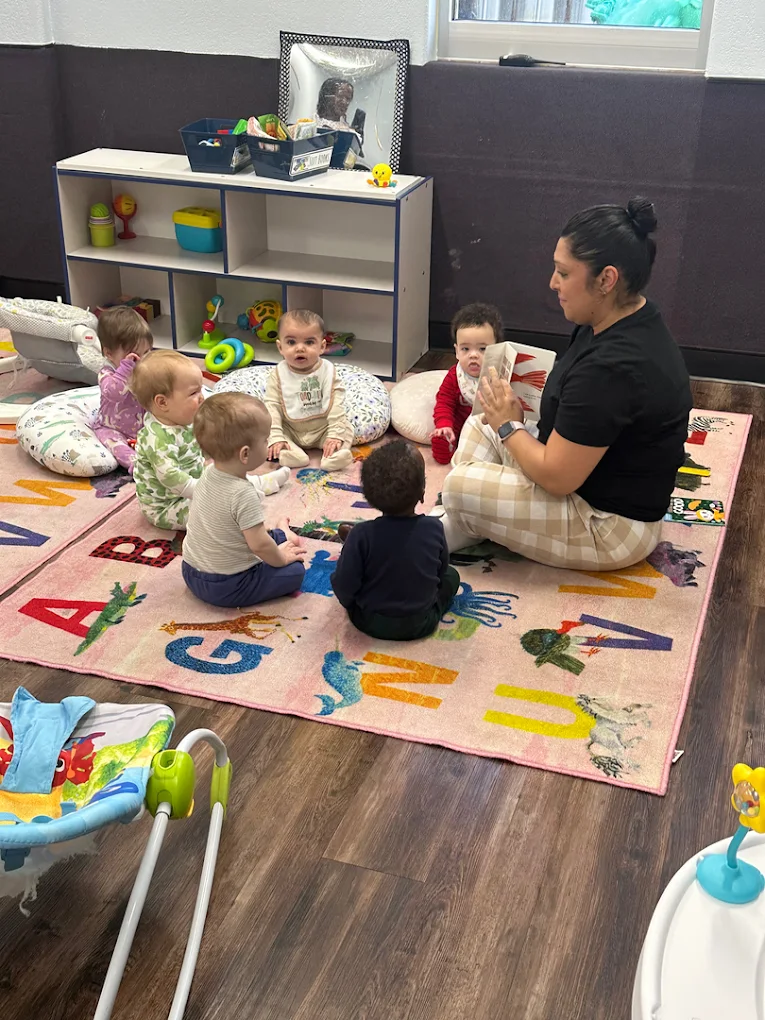
At Bambini Montessori Academy, classrooms are arranged so children can safely participate in everyday tasks instead of watching adults handle everything around them. Shelves stay accessible. Furniture fits their size. Activities are placed intentionally so children can move through them independently without needing constant interruption.
It does not look dramatic while it is happening.
Then suddenly parents realize their child is attempting things alone at home that they never used to try before.
A Lot Of The Changes Show Up Quietly
This surprises families sometimes because people expect developmental growth to look obvious immediately.
Usually it is more subtle.
Children start hanging jackets independently. They begin cleaning up spills automatically because now they expect themselves to help. Some become oddly determined about washing hands without assistance even when nobody asked them to.
Parents around Anne Arundel County sometimes describe these moments almost accidentally during conversations later.
“Oh yeah… actually she started putting her dishes away recently too.”
That kind of thing.
One moment by itself feels tiny. But after enough of them stack together, parents realize their child is moving through routines differently than before.
Montessori Classrooms Feel Calmer, But Not In A Silent Way
People touring Montessori schools for the first time sometimes expect classrooms to feel unusually quiet.
That is not really it.
Children are still moving constantly. Toddlers still have loud emotional moments occasionally because, well, they are toddlers. Somebody somewhere is usually figuring out how gravity works with a cup of water.
The difference is more about rhythm.
At Bambini Montessori Academy, children move through the classroom with more purpose because the environment itself is prepared for independence. Materials stay organized intentionally. Activities have order. Teachers guide children without controlling every second continuously from the front of the room.
The atmosphere feels steadier somehow.
Parents usually notice that before they can fully explain why.
Mixed Age Classrooms Change The Dynamic More Than People Realize
This part matters a lot.
Younger children watch older classmates constantly in Montessori environments. Not in a formal teaching way exactly. More like quiet observation happening all day long.
A younger toddler sees an older child carefully rolling up a mat or preparing snack independently. Eventually they try doing it too because children naturally imitate whatever surrounds them repeatedly.
Older children benefit too.
They become more patient, more aware of others, and honestly a little gentler sometimes because younger classmates are part of the environment every day. The classroom starts feeling more community-oriented and less competitive.
That shift is hard to describe until you actually spend time inside one.
Independence Is Not The Same Thing As “Doing Whatever They Want”
This is probably one of the biggest misconceptions people have about Montessori.
Some parents hear “child-led learning” and imagine complete chaos where children run the classroom entirely themselves. Actual Montessori environments are much more structured than people expect.
The structure just feels different.
Children still follow routines. They learn responsibility. They practice patience and consistency. The prepared environment itself quietly reinforces those expectations throughout the day instead of relying only on adult correction.
Especially for younger children, predictable structure creates security.
And secure children usually become more confident trying things independently because they trust the environment around them.
Parents Often Notice Emotional Changes Too
Not immediately maybe.
But over time, some children become more willing to work through frustration without giving up instantly. Others start attempting tasks longer before asking adults to step in. Parents sometimes describe their child as seeming more settled or confident overall, even if they cannot pinpoint exactly when it changed.
That does not mean Montessori children stop having emotional meltdowns obviously.
Anybody claiming toddlers become perfectly regulated little humans probably has not spent much time around toddlers.
Still, environments that encourage participation and problem-solving tend to build resilience slowly over time in ways that become noticeable later.
Sometimes The Hardest Part For Parents Is Slowing Down Too
This honestly happens a lot.
Children learning independence can make routines slower before they become easier. A child determined to zip their own coat may need three extra minutes. Pouring water independently may involve towels afterward. Toddlers insisting on carrying their own backpack sometimes move at approximately one mile per hour.
Parents laugh about this eventually.
But underneath those slower moments, children are building trust in themselves little by little. That confidence matters long after the routine itself is forgotten.
Families around Gambrills and Ellicott City often say they started noticing their child becoming more capable once adults stopped automatically stepping in first every time.
Frequently Asked Questions
Q1: Why do Montessori children often seem more independent?
Montessori classrooms encourage children to participate actively in everyday routines and hands-on learning experiences. Bambini Montessori Academy helps children build confidence and independence naturally through prepared environments and authentic Montessori practices.
Q2: What ages does Bambini Montessori Academy serve?
Bambini Montessori Academy serves infants, toddlers, and preschool-aged children from 6 weeks to 5 years old at both Maryland locations.
Q3: Are Montessori classrooms structured?
Yes. Montessori environments follow consistent routines and organized classroom systems that help children feel secure while learning independently at their own pace.
Q4: How do parents stay updated during the day?
Families receive photos, schedules, and classroom updates through the Brightwheel app so parents remain connected to their child’s day in real time.
Q5: Can parents visit during the day?
Absolutely. Bambini Montessori Academy maintains an open-door policy and welcomes parents to visit and remain actively involved in their child’s experience.
Bambini Montessori Academy Creates Space For Children To Grow Naturally
Children usually become more confident when they are trusted with meaningful participation instead of always being rushed past what they are capable of trying themselves.
At Bambini Montessori Academy, infants, toddlers, and preschool-aged children learn in authentic prepared Montessori environments designed to support independence, exploration, communication, and long-term confidence through everyday experiences that actually feel natural to them.
Families throughout Gambrills, Ellicott City, and surrounding Anne Arundel County communities are welcome to schedule a tour and experience the classrooms firsthand.
Gambrills: (240) 345-3968
Ellicott City: (443) 201-7471
